How to Find UGC Creators: A Practical Guide
Ever wonder why some brands seem to have a never-ending stream of authentic, scroll-stopping videos while yours feels stuck? You're not alone. Finding the right UGC creators can feel like searching for a needle in a haystack. But it doesn't have to.
In this guide, I'll walk you through exactly where the best UGC creators live, how to spot the real talent, and the legal shortcuts that keep your ads running smooth. By the end, you'll have a repeatable system to find, hire, and retain creators who make content that actually converts.
Step 1: Define Your UGC Needs and Budget
Before you start hunting for creators, you need to know what you're looking for. Think about your campaign goals. Are you after product reviews, lifestyle shots, or tutorial-style content? The type of content you need will guide where you search and who you hire.
Next, set a budget. According to research from Hootsuite, UGC can deliver four times higher click-through rates than traditional ads. But you still need to spend wisely. Prices vary widely: a beginner creator might charge $50 per video, while a pro with a polished portfolio can ask for $500 or more. The difference in quality is often 10x, not 3x, as one seasoned agency owner points out.
Here's a simple rule: define your usage window upfront. Most creators offer licenses for 30, 60, or 90 days. Extending usage later usually costs extra. So decide how long you need the footage and budget accordingly.
Also consider whether you need raw footage or finished edits. Raw clips give you more flexibility to edit later, but they require more internal work. Finished videos save time but limit your options. Know your team's capacity.
Finally, outline your ideal creator persona. Age, location, interests, and lifestyle matters. A creator who rock climbs and uses your energy bar will produce more authentic content than a generic model. Match the creator to your product's use case.
Step 2: Scout the Best Platforms for UGC Creators
Now that you know what you need, it's time to find creators. There are many places to look, each with its own strengths. The most popular method is still social media. Search hashtags like #UGCcreator on TikTok, Instagram, and Twitter (X). You'll find hundreds of creators who list their email in their bio.
Another route is dedicated UGC platforms. These range from free tools to paid marketplaces. We've compiled a comparison of the most common discovery methods to help you decide.
As the table shows, free methods give you the most flexibility but require manual work. Paid platforms save time but lock you into subscriptions. UGCdrop stands out because you only pay for the clips you download, no monthly commitment. That makes it ideal for testing multiple angles without blowing your budget.
One strategy that works well is to combine approaches. Use social media to build a list of potential creators, then check their portfolios on a platform like UGCdrop to see if they've already made similar content. It speeds up vetting.

Step 3: Evaluate Creators with a Red-Flag Checklist
Finding creators is only half the battle. The real skill is knowing who to hire and who to skip. Use this red-flag checklist to avoid wasting money on weak content.
Lighting and background. Bad lighting is the number one killer of UGC. If the creator's demo videos are dim, shadowy, or backlit, pass. Also check for clutter in the background. A messy bedroom or loud wallpaper distracts from your product.
Creative framing. Look for variety. Does the creator use different angles? Do they show close-ups of the product in use? A portfolio of mirror selfies and poorly framed shots is a warning sign.
Audio quality. Even simple voiceover clips should sound clear. If there's echo, wind noise, or muffled speech, the creator doesn't pay attention to sound. That will hurt your ad performance.
Consistency and reliability. Have they worked with other brands? Check their turnaround time. A creator who takes weeks to deliver one clip is a risk for campaign deadlines.
Authenticity. Does their content feel natural or overly scripted? UGC should resemble something a real customer would post. Stiff, salesy reads don't convert. Look for creators who talk like normal people.
Here's a usable test: ask for two sample hooks. Let them choose one and you provide the other. This reveals their creative ability and their willingness to follow direction. If both are weak, move on.
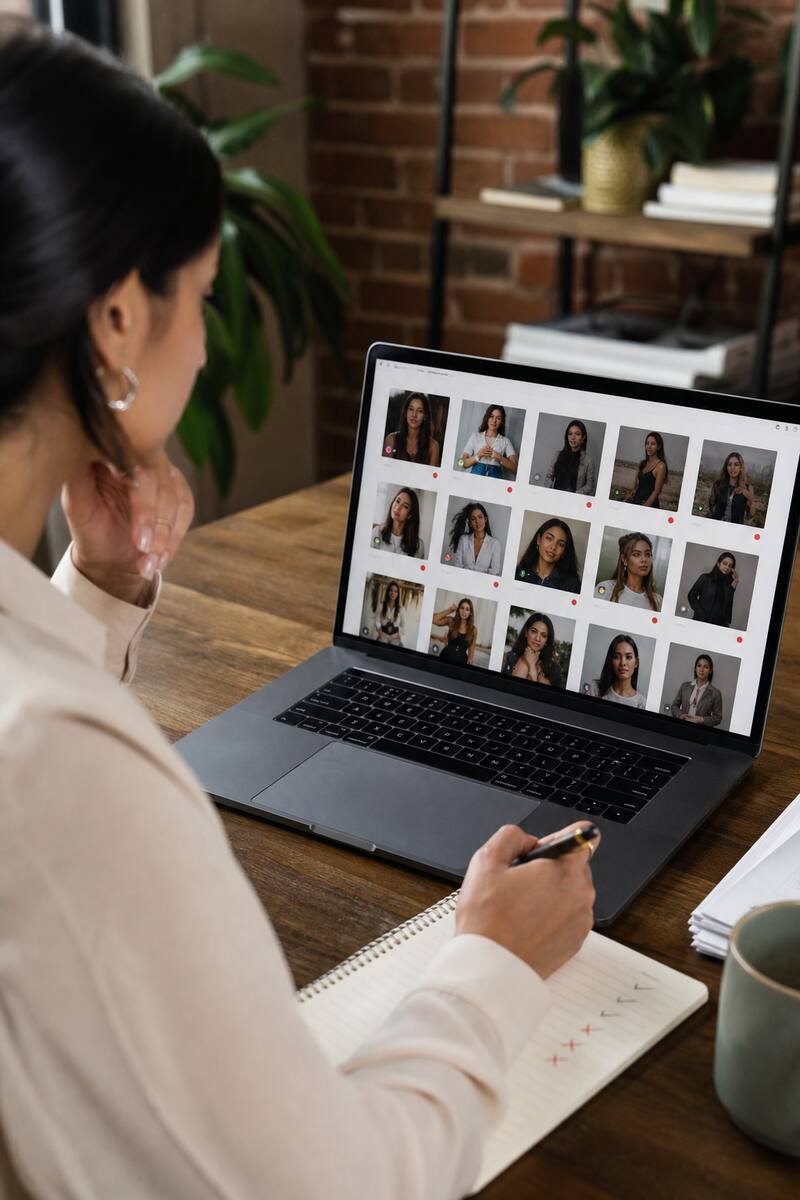
Don't fall for good looks alone. A gorgeous creator with poor technique will still produce mediocre ads. Always judge the work, not the face.
Step 4: Handle Legal Basics and Contracts
Now comes the part most people skip: the contract. Without one, you risk disputes over usage rights, payment, and exclusivity. A solid UGC contract protects both you and the creator.
According to Juro's UGC contract guide, the most important clause is usage rights. Specify exactly where and how the content can be used: paid ads, organic social, email, website, etc. Also define the territory (US only? Global?) and the duration. Standard license periods are 30, 60, or 90 days.
Exclusivity is another big one. If you want the creator to not work with competitors for a certain time, put it in writing. But keep it reasonable, an open-ended non-compete is hard to enforce and will scare off good talent.
Payment terms should be crystal clear: fee, payment method, milestones, and when payment is released. Many creators prefer half upfront and half on delivery. Use platforms with escrow (like Upwork) for extra safety.
Also address who owns the raw footage. Often the brand licenses it, but the creator retains copyright unless you buy it outright. Negotiate a buyout if you want full ownership.
Finally, include a clause about edit approval. Some contracts let the brand edit freely, but creators may want a say. A mutual approval process avoids bad blood.
Remember, I'm not a lawyer. Always have your legal team review the template before sending it to creators.
Watch the video above for a quick walkthrough of a real UGC contract negotiation. It covers the clauses that often cause disputes.
Step 5: Brief Creators for Authentic, On-Brand Content
Your brief is the blueprint for the content. The more detailed you are, the better the results. But you also want to leave room for the creator's creativity.
Start with a one-page overview of your brand: mission, target audience, tone of voice, and any must-include messaging. Then specify the technical specs: file format, aspect ratio, length, and whether you need raw footage or a finished edit.
Include a shot list. For example, if you sell a skincare product, list: unboxing, application, before/after, lifestyle shot in bathroom, close-up of texture. Provide example videos from competitor ads for reference.
Write a sample script, but encourage the creator to adapt it to their natural speech. A script that sounds too corporate will kill the authenticity you're after. Let them rephrase in their own words.
Also, decide on B-roll requirements. Many creators just film talking heads. But the best UGC ads use B-roll of the product in action: someone driving with the product, cooking, working out. Be explicit: "We need at least three B-roll clips of the product being used in different settings."
One tactic that works: require the creator to deliver two visual hooks for the ad. The first hook follows your exact brief; the second gives them full creative freedom. This lets you see which creators are capable of producing something unique.
Finally, set deadlines and revision rounds. Most creators offer one or two revisions. Be clear upfront to avoid scope creep.
Step 6: Scale Outreach and Build Long-Term Relationships
Once you've found a few great creators, don't treat them as one-offs. Building a stable of regulars saves you time and money in the long run.
Start by keeping a database. Use a simple spreadsheet or a CRM like EnTribe's creator management platform to track names, contact info, rates, and past content. Note which ones were easy to work with and delivered on time.
Automate your outreach where possible. Use email templates for initial contact, but personalize a line or two. Creators get dozens of generic DMs daily. A message that references their specific style stands out.
Build a shared folder or Dropbox for each creator to upload raw footage. This simplifies delivery and keeps everything organized.
Consider creating a private community, like a Slack channel or WhatsApp group, for your regular creators. Share campaign briefs, product updates, and feedback. This makes them feel like part of your team.
One agency founder shared that after finding a good creator, he always asks for referrals. The best creators know other talented people. A referral often leads to a similar quality of work.
Also, pay on time and give constructive feedback. Creators talk. If you're known as a good brand to work with, you'll attract better talent. If you're slow to pay or overly demanding, word spreads.
Finally, think about scaling with tools like UGCdrop, where you can discover creators who have already uploaded high-quality clips. This bypasses the hire-and-wait cycle. You get instant access to a library of authentic content, and you only pay for what you use.
Frequently Asked Questions
Where do most brands find UGC creators?
The majority start on social media platforms like TikTok, Instagram, and Twitter by searching hashtags such as #ugccreator. Many creators have their contact info in their bios. Dedicated platforms like Billo, Insense, and UGCdrop also offer curated lists. Free methods take more manual work but can uncover hidden gems.
How much should I pay a UGC creator?
Rates vary widely. Beginner creators might charge $50 to $100 per video, while experienced pros ask for $200 to $1,000+. The quality gap between $300 and $1,000 is often 10x or more, so invest in the best you can afford. Always factor in usage rights: longer license periods cost extra.
What should I look for in a creator's portfolio?
Focus on lighting, audio, and creative framing. A good portfolio shows varied shots, clear audio, and natural delivery. Avoid creators whose samples have cluttered backgrounds, bad lighting, or overly scripted reads. Also check for consistency across multiple pieces, they should be reliably good.
Do I need a contract for UGC collaborations?
Yes, absolutely. A contract protects both parties. It should cover usage rights, exclusivity, payment terms, deadlines, edit approval, and ownership of raw footage. Without it, you risk legal disputes and unexpected costs later. Use a template from a legal resource or consult an attorney.
How do I brief a UGC creator effectively?
Start with a brand overview, then list technical specs (format, length, raw vs edited). Include a shot list, sample script, and examples of competitor ads you like. Ask for two visual hooks: one following your brief and one with full creative freedom. The more detail you give, the better the output.
Can I use actors for UGC-style content?
Yes, many brands use actors from platforms like Backstage or StarNow. Actors are often skilled at delivering scripted lines naturally, which can work well for product demos. The key is to give them a script that sounds authentic, not like a TV commercial. Add B-roll requirements to keep it feeling real.
How do I scale my UGC creator program?
Build a database of vetted creators using a CRM or spreadsheet. Automate initial outreach with personalized templates. Create a shared folder for deliveries. Consider a creator community channel for ongoing communication. Platforms like UGCdrop let you instantly access pre-made clips, which is great for testing before committing to a full partnership.
What are common red flags when hiring UGC creators?
Bad lighting, cluttered backgrounds, poor audio, and lack of variety in shots are top red flags. Also watch for slow responsiveness, unclear pricing, or a portfolio that only shows one style. A quick test of two sample hooks can reveal their creativity and reliability. Never hire solely based on looks, judge the work.
Conclusion
Finding and hiring UGC creators doesn't have to be a mystery. Start by defining your needs and budget, then scout creators on social media, freelance sites, or dedicated platforms like UGCdrop. Use a red-flag checklist to evaluate portfolios, and never skip the contract. A thorough brief sets the stage for authentic content, and building long-term relationships ensures a steady stream of high-performing ads.
Remember, the difference between a $300 creator and a $1,000 creator is often 10x in quality. Invest in the best you can afford, and treat your creators well. They'll reward you with content that boosts your ad performance and brand trust.
Ready to take the next step? Explore UGCdrop's library of casual UGC videos and start downloading authentic clips in minutes. No monthly fees, just pay for what you use.